
The Right Way to Train in Perimenopause and Menopause: Why Less Stress Builds Better Results
Cristina Torres
2/24/20262 min read
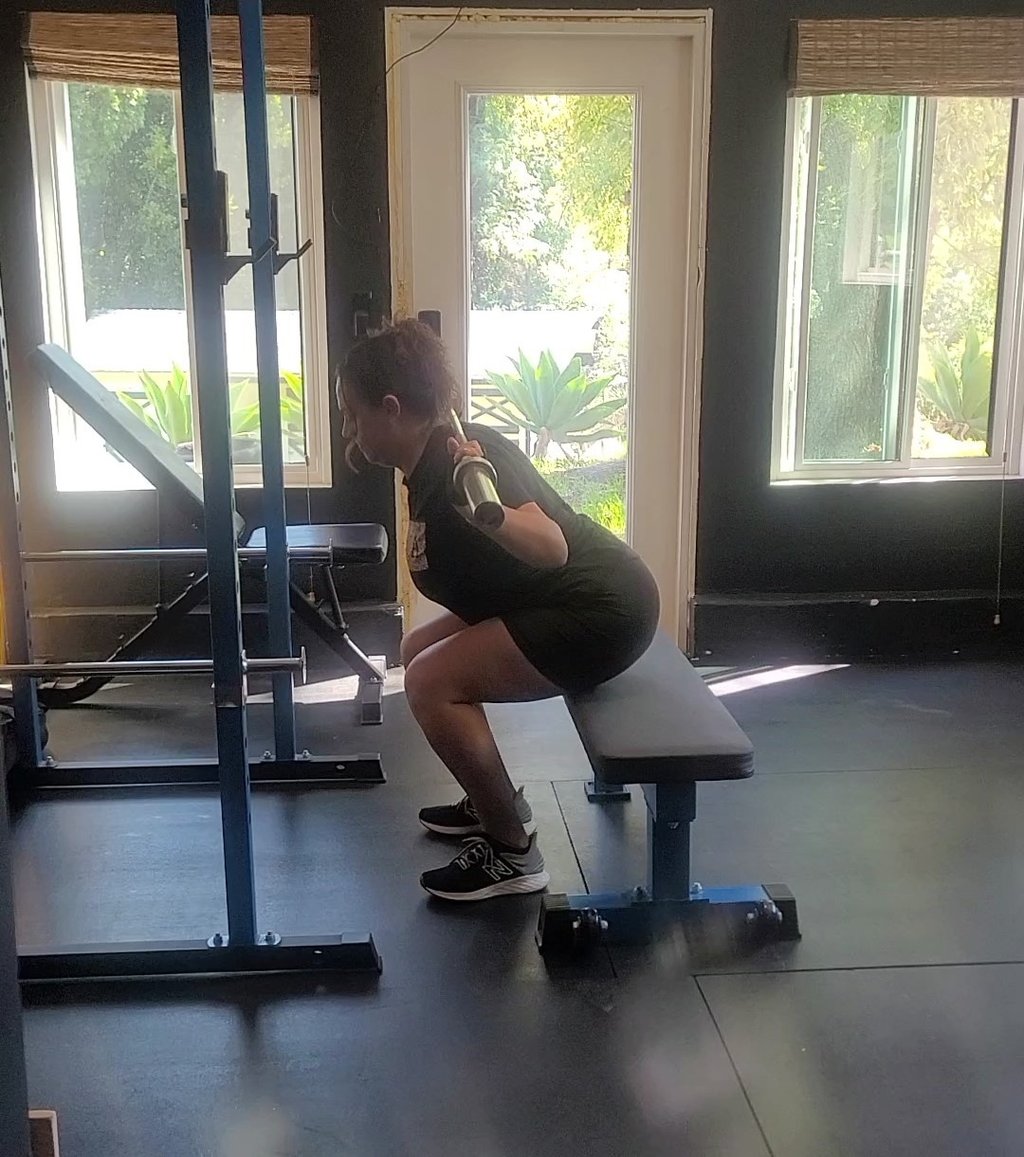
If you’ve ever walked out of a workout feeling completely defeated — exhausted, sore for days, and wondering why your body isn’t responding the way it used to — you’re not alone.
Many women in perimenopause and menopause are doing everything they’ve been told is “right”:
more workouts, more cardio, more intensity, fewer calories.
And yet…
they feel more inflamed, more tired, and more frustrated than ever.
Here’s the truth: your body didn’t stop working — it changed.
And your training needs to change with it.
Why Traditional “Harder Is Better” Training Stops Working in Midlife
As estrogen declines, the body becomes more sensitive to stress — especially physical stress from exercise. Long, exhausting workouts and constant high-volume cardio can increase cortisol (your stress hormone), making it harder to:
Build or maintain muscle
Recover between workouts
Regulate blood sugar
Reduce inflammation
Support fat loss
Researchers and experts like Dr. Stacy Sims and Dr. Mary Claire Haver consistently emphasize that midlife women do not need more stress — they need better-designed stress.
What Actually Works: Smarter Training, Not Longer Training
The most effective approach for women in peri- and menopause focuses on quality over quantity:
1. Strength Training Is Non-Negotiable
Strength training protects muscle, bone density, metabolism, and long-term independence. Muscle is one of the most powerful tools we have for healthy aging — especially as we move through hormonal transitions.
The key?
Progressive strength training with proper rest and individualized programming — not rushing through movements or chasing exhaustion.
2. Sprint Interval Training (SIT) Over Long Cardio
Short bursts of true high-intensity effort followed by full recovery have been shown to:
Improve insulin sensitivity
Support cardiovascular health
Preserve lean muscle
Minimize excessive cortisol spikes
This is very different from long, heart-rate-spiking workouts that leave you drained. You shouldn’t feel destroyed to get results.
3. Recovery Is Part of the Program
Recovery isn’t optional — it’s where adaptation happens.
Adequate sleep, rest days, and recovery strategies help regulate hormones, reduce inflammation, and allow your body to respond positively to training.
More is not better. Better is better.
Why Feeling “Wiped Out” Isn’t a Badge of Honor
Feeling constantly sore, exhausted, or defeated after workouts is often a sign that the body is under too much stress — not that it’s improving.
Chronic stress signals the body to hold on to energy, not release it. This is why many women see stubborn midsection fat, disrupted sleep, and declining energy when training feels relentless.
The goal of training in midlife isn’t punishment — it’s resilience.
Training for the Life You Want
The right approach to fitness in this stage of life helps you:
Move with confidence
Maintain strength and balance
Protect joints and bones
Feel energized instead of depleted
Stay active for decades to come
This is about training your body to support your life — not break it down.
When you work with your physiology instead of against it, everything changes.