
Why Strength Matters More Than Ever as You Age (And How to Start Building It Today)
By Cristina Torres
4/10/20262 min read
One of the biggest fears many women have as they get older… isn’t talked about enough.
It’s not just weight gain.
It’s not just “getting out of shape.”
It’s the quiet thought of:
“What if I lose the ability to do the things I used to do so easily?”
Getting up and down off the floor.
Carrying groceries without thinking twice.
Playing with kids or grandkids.
Moving through your day without hesitation or pain.
These are the things that truly matter.
What’s Actually Happening to Your Body?
As we move through our 40s, 50s, and beyond, we naturally begin to lose muscle mass and strength — a process known as sarcopenia.
Research from experts like Dr. Gabrielle Lyon and Dr. Stacy Sims shows that this decline doesn’t just affect how you look — it directly impacts:
Balance and coordination
Joint stability
Bone density
Metabolism
Long-term independence
This is why things can start to feel harder… even if you’re still “active.”
Why Most Women Are Training the Wrong Way
A lot of women try to solve this by:
doing more cardio
taking more group classes
pushing harder and longer
But here’s the problem…
Those approaches don’t build the kind of strength your body needs for real life.
And in many cases, they can actually lead to:
more fatigue
more joint discomfort
slower recovery
What Your Body Actually Needs
Instead of doing more… your body needs something different.
You need to train in a way that supports:
muscle development
joint stability
movement quality
long-term resilience
This comes from intentional strength training.
Training that focuses on foundational movement patterns like:
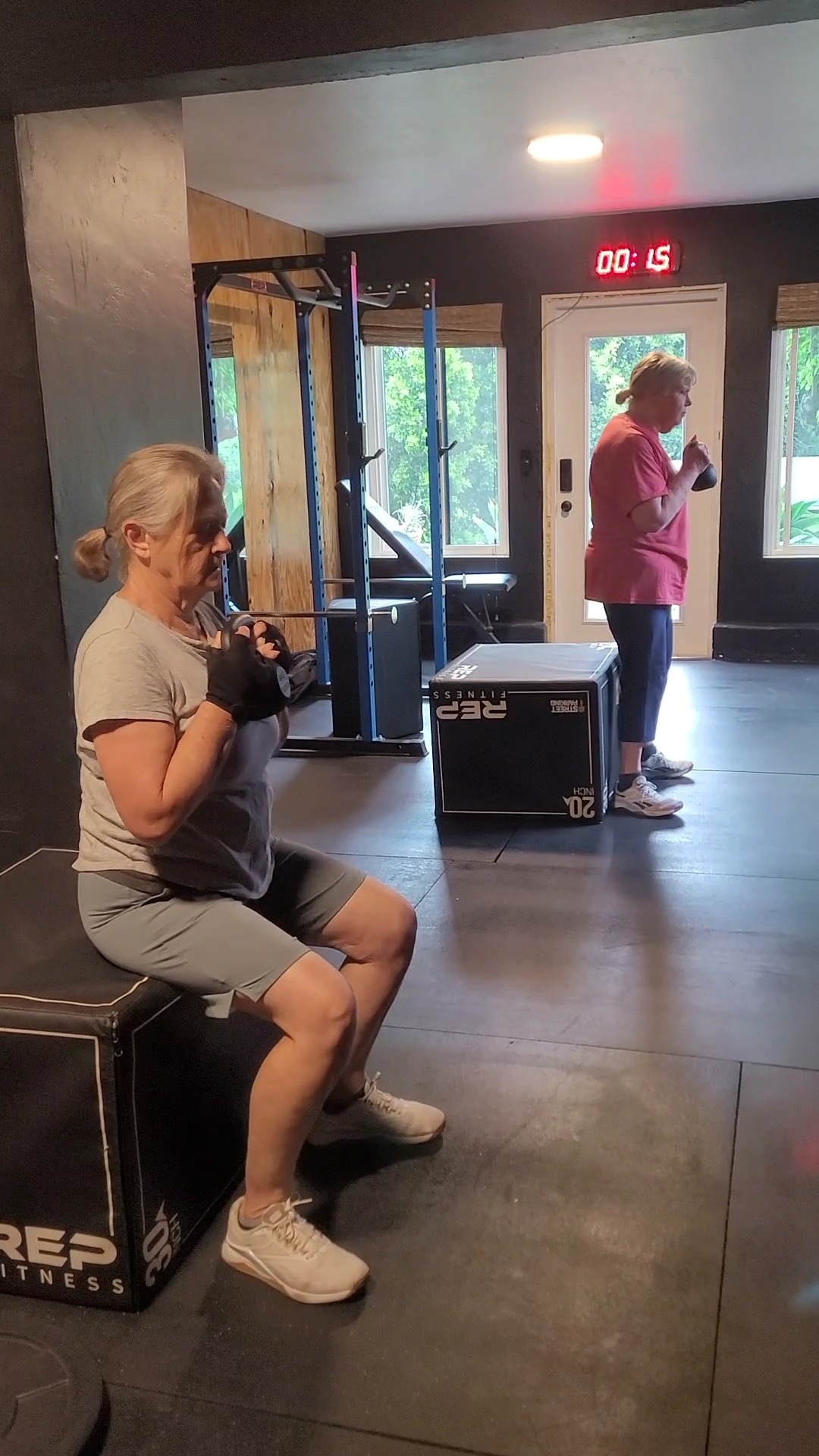
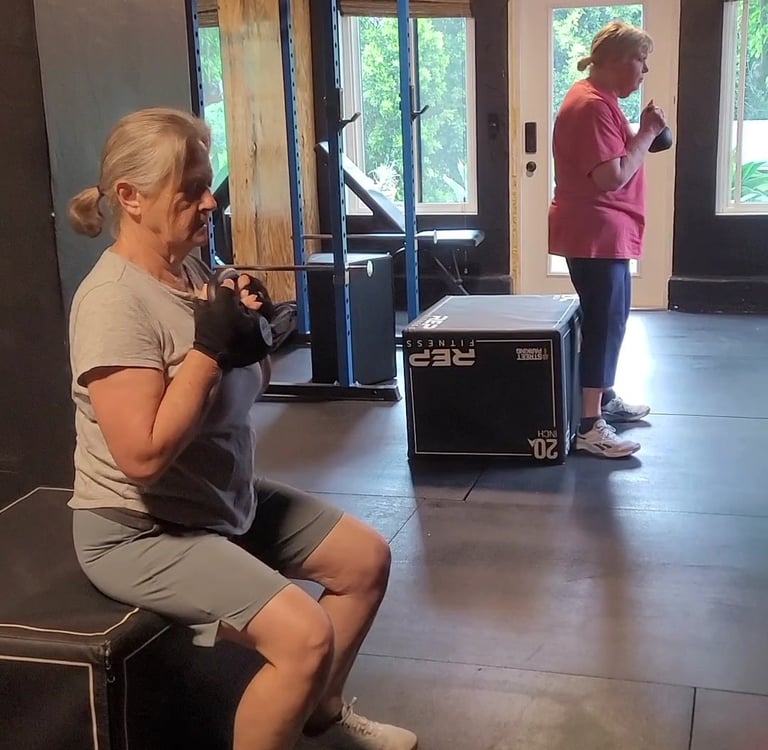
Squatting (getting up and down from chairs or the floor)
Hinging (picking things up safely)
Carrying (groceries, bags, everyday items)
Pushing & pulling (daily functional strength)
Stabilizing (protecting your joints and improving balance)
These aren’t just “exercises.”
They are life skills.
5 Simple Ways to Start Building Strength at Home
If you’re not sure where to start, here are a few simple things you can begin doing right away:
1. Practice getting up and down from the floor
This is one of the most important indicators of long-term mobility and independence.
2. Carry your groceries instead of avoiding it
Even lighter loads help build grip strength, core stability, and confidence.
3. Slow down your movements
Whether it’s a squat or picking something up — move with control. This builds strength safely.
4. Add basic strength exercises 2–3x per week
Focus on simple movements like squats, lunges, push-ups (even modified), and rows.
5. Be consistent, not extreme
You don’t need to feel exhausted. You need to show up regularly and build gradually.
The Bigger Picture
Strength isn’t just about working out.
It’s about:
feeling capable in your body
trusting yourself physically
maintaining independence as you age
Because at the end of the day…
It’s not about how much you can lift.
It’s about how freely and confidently you can live your life.