
Why Training in Midlife Needs a Smarter, Science‑Backed Approach
Cristina Torres
1/1/20262 min read
Why Training in Midlife Needs a Smarter, Science‑Backed Approach
For many women, the 40s and 50s can feel confusing when it comes to fitness.
Workouts that once worked suddenly leave you exhausted. Recovery takes longer. Weight feels harder to manage. Aches and stiffness show up even when you’re doing everything “right.”
This isn’t a personal failure — it’s physiology.
During perimenopause and menopause, fluctuating and declining estrogen affects nearly every system involved in exercise and recovery. Understanding these changes is the key to training effectively, protecting your body, and aging well.
What’s Actually Changing in Midlife
Research shows that estrogen plays a critical role in:
Muscle protein synthesis (your ability to build and maintain muscle)
Connective tissue health (tendons, ligaments, and joint stability)
Bone density regulation
Inflammation and recovery
Stress and nervous system response
Dr. Stacy Sims, exercise physiologist and author of ROAR, explains that when estrogen declines, women experience a reduced ability to regenerate muscle tissue. Studies show muscle stem cell activity can drop 30–60% during the menopause transition if not properly stimulated.
This is one of the main reasons women feel weaker, slower to recover, and more injury‑prone during this phase of life.
Why “Train Harder” Backfires in Midlife
Many women are still advised to:
Eat less
Do more cardio
Lift lighter weights
Push through fatigue
But research and clinical experience show this approach increases:
Muscle loss (sarcopenia)
Joint pain and inflammation
Stress hormone overload
Burnout and injury risk
Dr. Mary Claire Haver emphasizes that under‑fueling and excessive exercise during menopause accelerates muscle and bone loss — the very things women need to preserve independence and metabolic health.
In midlife, more is not better. Smarter is better.
The Science‑Backed Foundation Women Need After 40
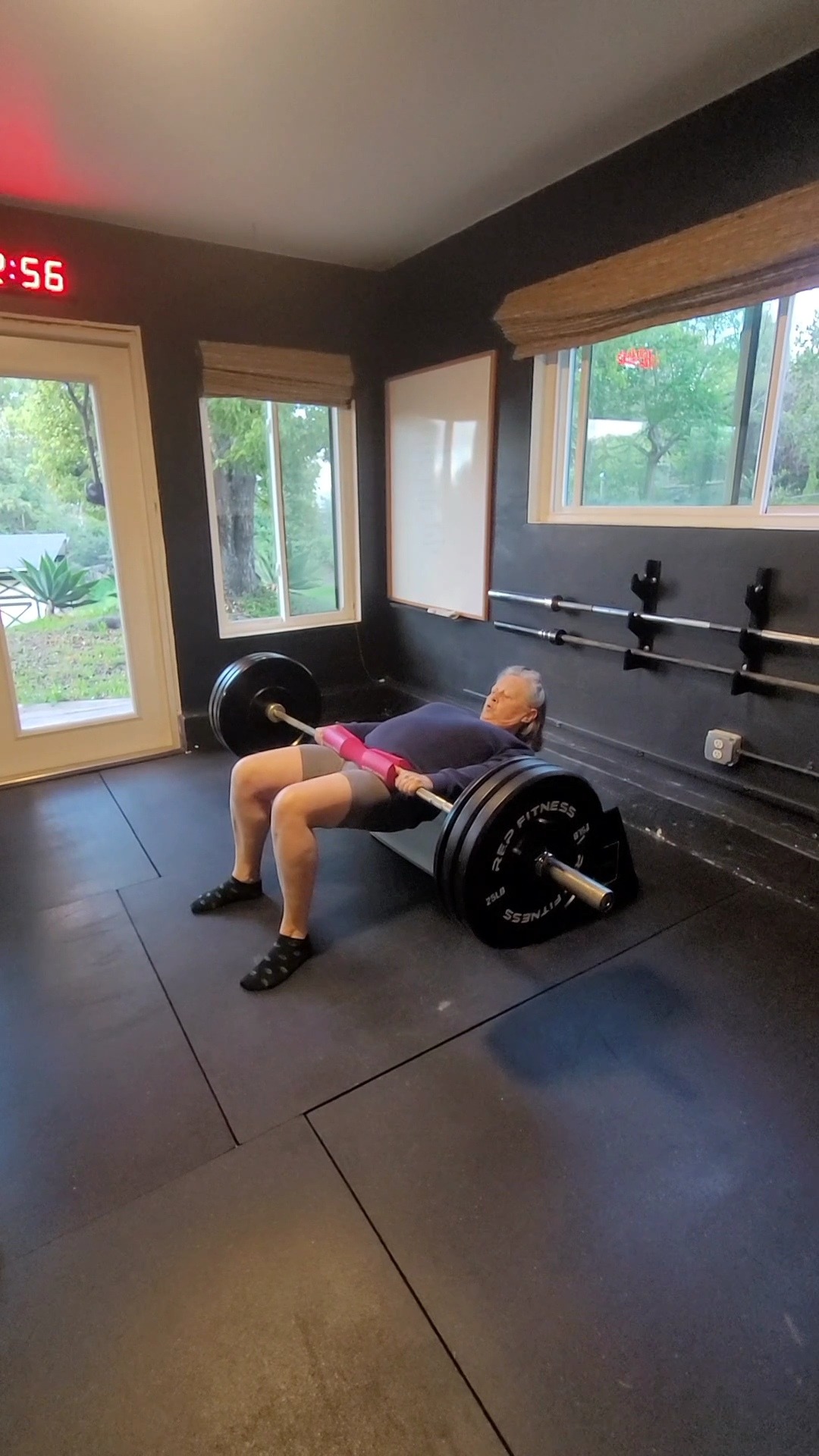
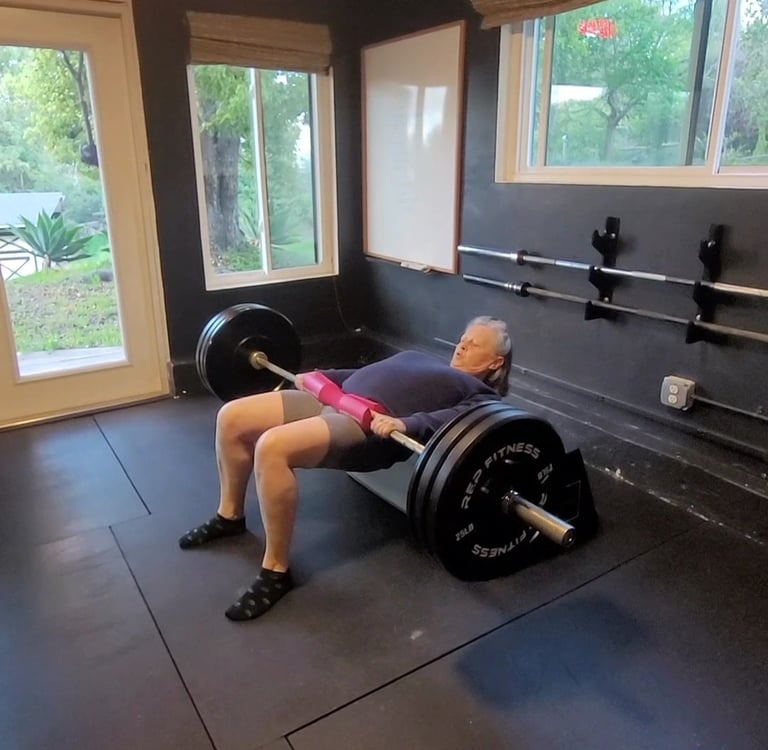
1. Strength Training Is Non‑Negotiable
Heavy, progressive resistance training is the most effective stimulus for:
Maintaining lean muscle
Protecting bone density
Supporting joint integrity
Improving balance and fall prevention
Research consistently shows that lifting challenging weights — not light repetitions to exhaustion — signals the body to preserve muscle even as hormones shift.
2. Recovery Becomes Part of the Program
Estrogen helps regulate inflammation and tissue repair. As it declines, recovery must be intentional.
Evidence‑supported recovery tools include:
Infrared sauna to improve circulation and reduce systemic inflammation
Red light therapy to support mitochondrial function and tissue repair
Compression therapy to aid lymphatic drainage and muscle recovery
Recovery isn’t a luxury. It’s how progress becomes sustainable.
3. Individualization Matters More Than Ever
No two women experience perimenopause the same way.
Sleep quality, stress load, work demands, and symptom severity all influence how much training your body can tolerate on any given day. This is why adaptive, personalized programming — rather than generic workouts — is essential for long‑term success.
What Aging Better Really Looks Like
Aging well isn’t about doing less.
It’s about:
Building strength with intention
Respecting recovery
Fueling adequately
Training in ways that support your physiology
When women are given the right tools and education, their 40s, 50s, and beyond can be some of their strongest years.
This is not about reversing time.
It’s about protecting mobility, confidence, and independence — now and for decades to come.
Aging better is possible. And it starts with training smarter, not harder.